
Your dental website often serves as the first impression for potential patients, making it a critical component of your practice’s online presence. In 2026, prospective patients will expect immediate access to accurate information, clear communication, and a sense of trust before booking an appointment. Your website is the primary platform for delivering all of this.
To achieve this, your site must incorporate five essential elements, including an intuitive, user-friendly design and high-quality content that demonstrates your expertise and professional capabilities.
In this guide, we will explore these five crucial components in detail and provide actionable tips to strengthen your dental marketing strategy. Whether you are refreshing an existing website or launching a new one, implementing these features will ensure your practice stands out, engages visitors effectively, and maximizes patient conversion in 2026.
When people visit your dental website, they should find it easy to navigate. A good design should both show off your expertise and encourage visitors to take action. Let's look at what makes a dental website user-friendly.
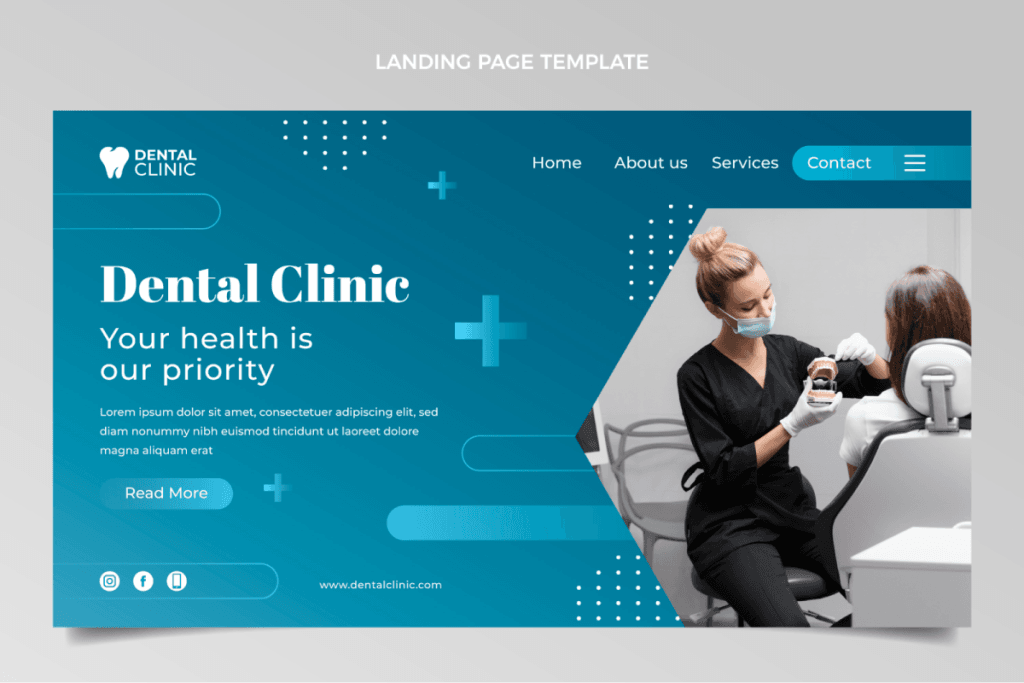
Your dental website should feature a clean, intuitive navigation menu to ensure visitors can quickly and easily find the information they need. Organise your menu into well-defined categories such as "Services," "About Us," "Patient Resources," and "Contact" to create a logical flow and reduce friction in the user journey.
Straightforward navigation not only improves the overall user experience but also helps search engines understand your site structure, enhancing SEO performance. By making your website easy to explore, you increase the likelihood of keeping visitors engaged and converting them into new patients.
In today's world, a mobile-friendly website is crucial. More people use smartphones and tablets to find their healthcare providers and a responsive design ensures your website works well on all devices. This improves the user experience and keeps visitors on your site. A fast-loading website is key to keeping visitors interested.
No one likes a slow website, and this is true for potential patients too. A slow website can make you lose visitors quickly. To keep them, make sure your website loads fast. Optimise your website's speed by compressing images and minimising code. A fast website shows you care about a good online experience for your patients.
Focus on a user-friendly website with easy navigation, mobile-friendliness, and fast loading. This creates a welcoming space for potential patients to explore your services and choose your practice.
To attract new patients, your dental website needs more than looks. It must include content that educates and captures attention. By sharing valuable information, you can address dental concerns, highlight your services, and build trust.
A dental blog is an effective way to connect with potential patients seeking dental services. Posting about common dental issues shows you're a reliable source. If you’re a website owner, you should consider writing about:
Your website should also have detailed service pages. These show off your skills in areas such as teeth whitening and cosmetic dentistry, depending on your specialities. Each page should highlight exactly why your services should be considered by prospective patients.
When setting up service pages, remember to include:
With detailed service pages, you help patients understand their options. This confidence can lead them to choose your practice for their dental needs.
Patients look for confidence in the care they’ll receive from a dental practice, and your website is often their first point of contact. Showcasing your dental team and practice culture online helps build trust before they even visit your office.
Staff profiles are an excellent way to introduce your team. Include professional photos, short bios, and perhaps a fun fact. This personal touch makes patients feel more comfortable and connected.
It’s also important to highlight your practice culture and values. What makes your practice unique? Do you prioritise gentle, patient-focused care? Are you using the latest dental technology? Sharing your approach helps attract patients who align with your values.
Here are some key elements to include when showcasing your dental team and practice culture on your emergency dentist website:
By giving a peek into your practice's people and philosophy, you build trust. This encourages potential patients to choose your dental team for their dental needs.
When people visit your dental website, they look for reassurance. They want to know you're good at what you do and that your services are top-notch. Showing dental patient reviews, ratings, and before-and-after photos can prove you're the best choice.
Real dental testimonials on your site can make a big difference. They show what others think of your care. Adding video reviews can make it feel more real and personal.
Today, it's crucial to have patient reviews and ratings on your website. People often check what others say before making a choice. By showing these, you can build trust and show you're reliable.
To make the most of patient reviews, consider these tips:
Case studies and before-after photos are also key. They let people see the amazing changes you can make. This shows you're skilled and can deliver great results.
Here's how to make the most of these:
| Do | Don't |
| Use clear, high-quality images to show off your work | Post blurry or low-quality photos |
| Always get permission from patients before sharing their stories | Share cases without asking first |
| Give a brief explanation of each case | Leave cases without any context |
| Show a variety of cases to prove your range | Only show one type of treatment |
By using dental patient reviews, dental testimonials, and dental case studies on your site, you can win trust. This social proof shows you're dedicated to excellent care. It makes visitors more likely to choose you for their dental needs.
To convert website visitors into patients, your dental practice website must feature clear, compelling calls to action (CTAs). Strategically placed, well-designed CTAs can significantly increase appointment bookings, patient inquiries, and overall engagement. They guide visitors toward key actions such as scheduling a consultation, signing up for newsletters, downloading patient resources, or exploring current dental specials.
By using persuasive language, contrasting design elements, and placement aligned with the user journey, CTAs not only enhance the user experience but also improve your website’s effectiveness in converting interest into loyal patients.
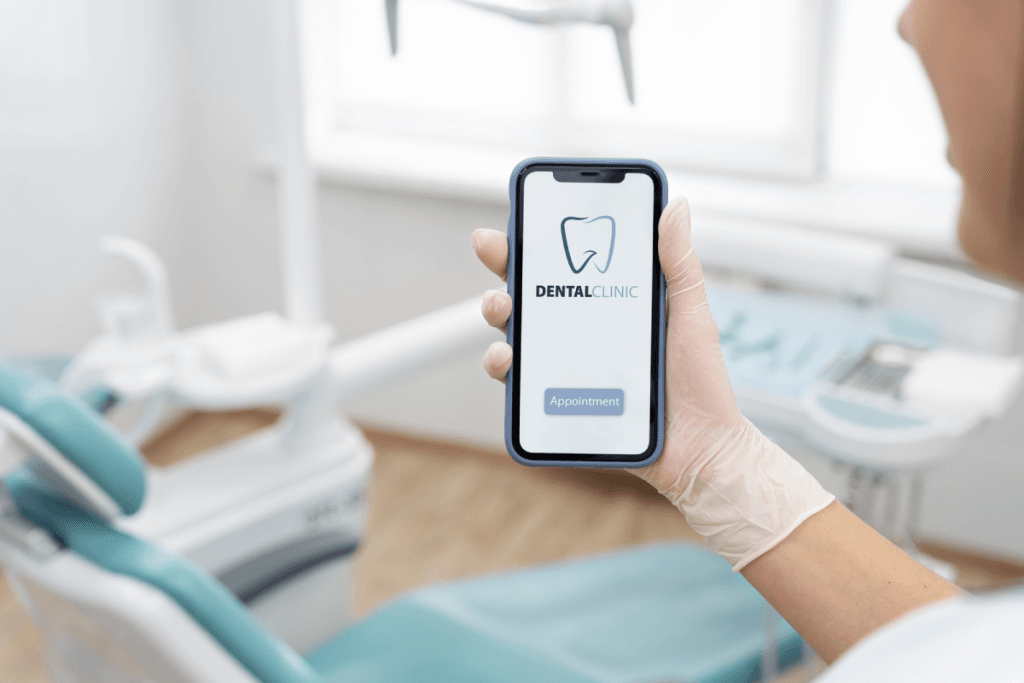
Include prominent "Book an Appointment" buttons on your website. Place them in easy-to-see spots, such as the header, footer, and next to content. Use high-contrast colours and clear text to grab attention. Adding online booking makes it easy for patients to pick a time that works for them.
Draw in potential patients with free consultations or special offers. These can really motivate people to try a new dental provider. Use eye-catching banners, pop-ups, or dedicated pages to showcase these deals.
To make your offers more appealing, add a sense of urgency. Set deadlines or limit the number of spots available. This pushes hesitant visitors to book an appointment.
| CTA Type | Placement | Key Elements |
| Book an Appointment Button | Header, Footer, Content Pages | Contrasting Colour, Clear Text, Online Booking Functionality |
| Free Consultation Offer | Banners, Pop-ups, Landing Pages | Communicate Value, Set Expiration Date, Limit Availability |
| Dental Special Offers | Dedicated Promotions Page, Sidebar, Email Campaigns | Highlight Discounts, Packages, New Patient Specials |
In today's digital world, a well-optimised dental website is key to attracting more patients. By implementing effective dental SEO strategies, you can improve your website's visibility in search results. This will bring more organic traffic to your site.
Keyword research forms the foundation of effective dental website optimisation. Understanding the terms and phrases potential patients use when searching for dental services online allows you to tailor your content for maximum visibility.
Incorporate relevant keywords such as "dental implants," "pediatric dentistry," "cosmetic dentistry," or "emergency dental care," aligning them with your practice’s specialties and services.
Tools like Google Keyword Planner, SEMrush, or Ahrefs can help identify high-traffic, low-competition keywords to target in your website copy, blog posts, and meta descriptions. By strategically integrating these keywords, you enhance your search engine rankings, attract the right audience, and increase the likelihood of converting visitors into patients.
After finding your target keywords, use them in your website's page titles, meta descriptions, and header tags. These elements tell search engines what your pages are about. Make your titles and meta descriptions compelling and include your keywords.
Use header tags (H1, H2, H3) to structure your content and highlight important keywords. It’s also necessary to follow AHPRA guidelines while writing any piece of content.
ds.
| On-Page SEO Element | Best Practices |
| Page Titles | Include primary keyword, limit to 60 characters |
| Meta Descriptions | Incorporate keywords naturally, keep under 160 characters |
| Header Tags | Use H1 for main title, H2-H3 for subheadings, include keywords |
Backlinks from reputable sites signal to search engines that your website is trustworthy. You can work on getting high-quality, relevant backlinks through:
By getting more high-quality backlinks, you can boost your website's domain authority. This will help your site rank higher for competitive keywords such as "dental implants website" and "pediatric dentistry website".
Consider adding online dental booking and patient forms to your site to improve the experience for everyone. It makes your practice run smoother.
Online dental booking lets patients book anytime, not just when you're open. This saves them time and reduces your staff's workload. They can focus on other tasks.
Here are some tips for online dental booking:
Also, having dental patient forms available online enhances the dental website. It allows patients to complete forms before they come, saving time and streamlining the process.
When picking a form platform, look for one that's easy to customise, keeps data safe, and complies with HIPAA. This keeps patient info private.
By focusing on dental website convenience with online dental booking and dental patient forms, you make your patients happy. Happy patients are more likely to return and refer others to you.
Looking ahead to 2026, having the right dental website is key. It helps attract new patients and grow your practice. Focus on design, content, and SEO to stand out. Your website is often the first thing new patients see. It should show your expertise and care. If you need help, 360 Dental Marketing is ready to assist.
360 Dental Marketing has the skills to make your website effective. It will look good and attract patients. Call us at 1300 777 360 to get started. Keep up with dental website trends to succeed in 2026. A good website is essential for growth and patient satisfaction. Invest in your website now for long-term success.